
How Solar Installation Works for Homes and Businesses
Learn how solar installation works from start to finish. This guide covers your electricity bill, site survey, system design, installation, approvals, testing, and long-term care.
Solar installation explained
How Solar Installation Works
Solar installation starts with a site check. The next steps are system design, panel mounting, electrical work, approvals, and final testing.
A good solar system should match your actual power use. The installer should also check your roof, shade, usable area, sanctioned load, daytime use, grid rules, and backup needs. These checks help create a safe and reliable system.
The energy flow
How Solar Power Flows
Solar panels produce DC electricity from sunlight. The inverter changes it into AC electricity for your home or business. Extra power can go to the grid or charge a battery, depending on the system.
Choose the right architecture
Choose the Right Solar System
On-grid solar
Connected to the utility grid. Solar powers your property first. Eligible extra power can be sent to the grid through a bidirectional meter.
Best for: reducing electricity bills where grid supply is reasonably stable.Off-grid solar
Works without the grid and uses battery storage. The system should be sized for your important loads and expected solar generation.
Best for: remote sites or locations without a dependable grid connection.Hybrid solar
Combines solar panels, grid power, and battery storage. It can provide backup for selected loads and reduce grid use.
Best for: properties that value both savings and backup power.Property assessment
Is your property ready for solar?
A site survey checks whether solar can be installed safely and work well. Before you accept a quotation, make sure the installer checks:
- At least 12 months of electricity bills and seasonal consumption
- Roof condition, waterproofing and structural suitability
- Shade from tanks, trees, parapets and nearby buildings
- Safe cable routes, inverter location and earthing points
- Sanctioned load, meter type and grid-connection feasibility
- Future loads such as air conditioning, equipment or an EV
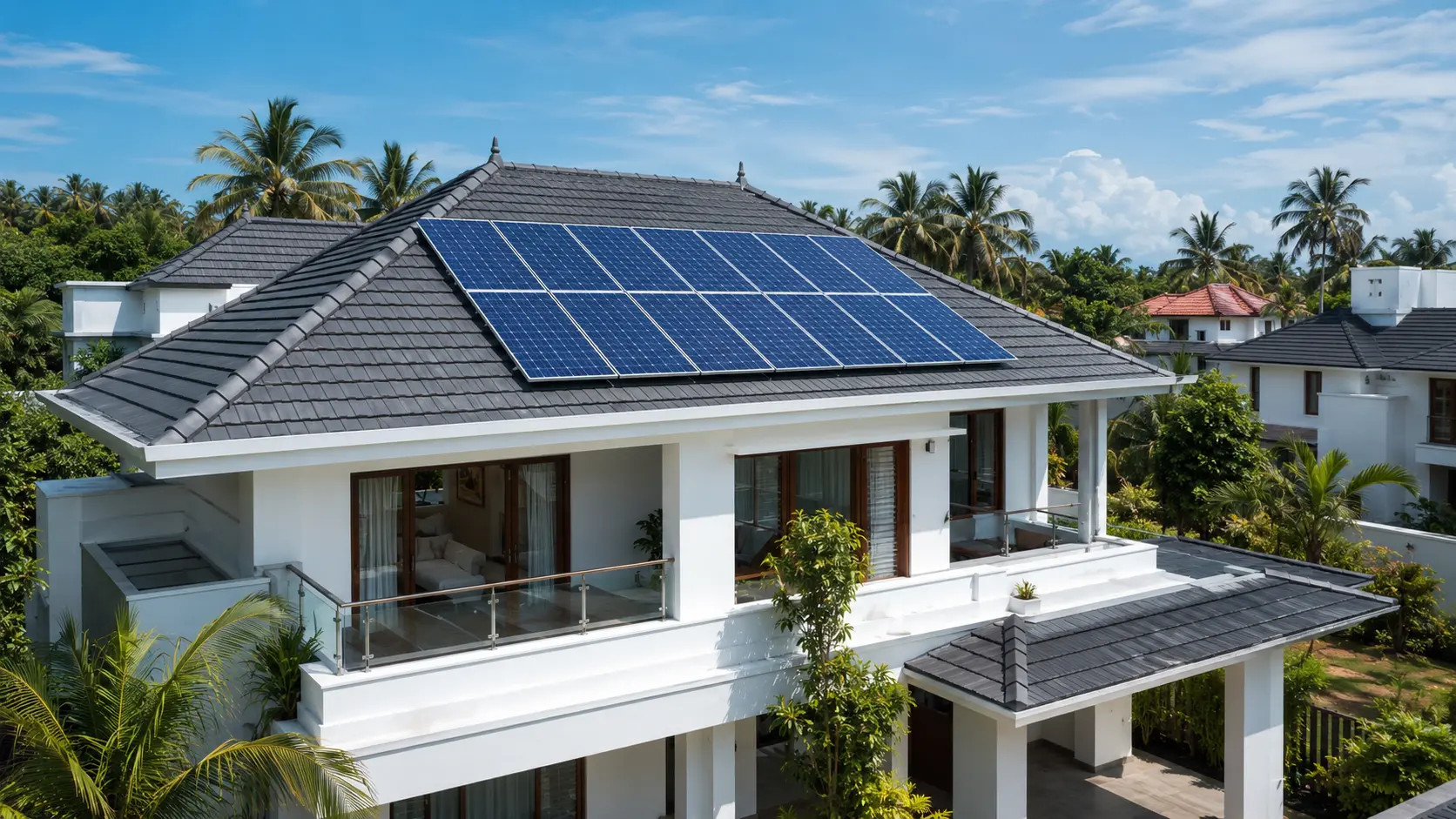
Built for every energy goal
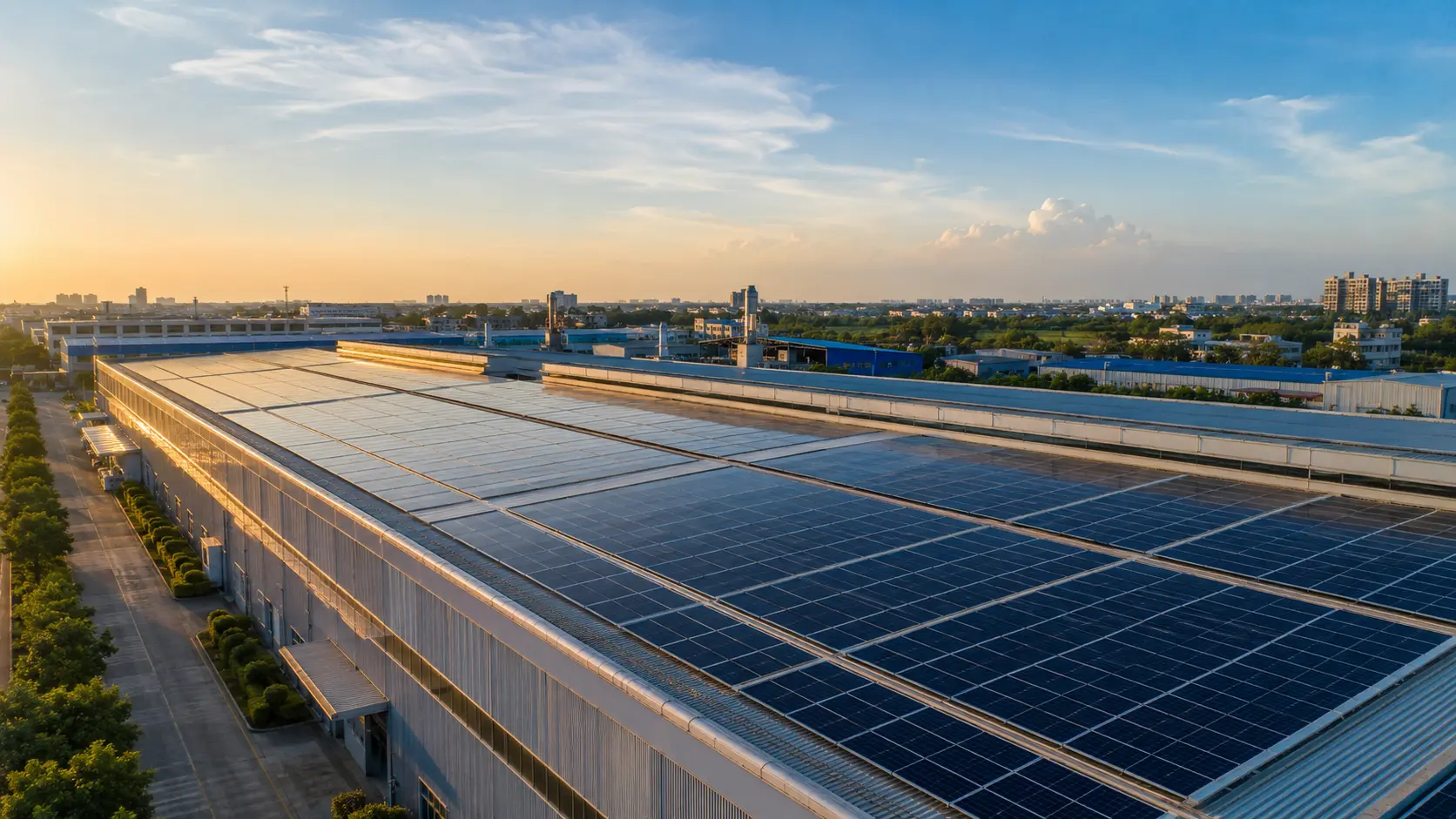
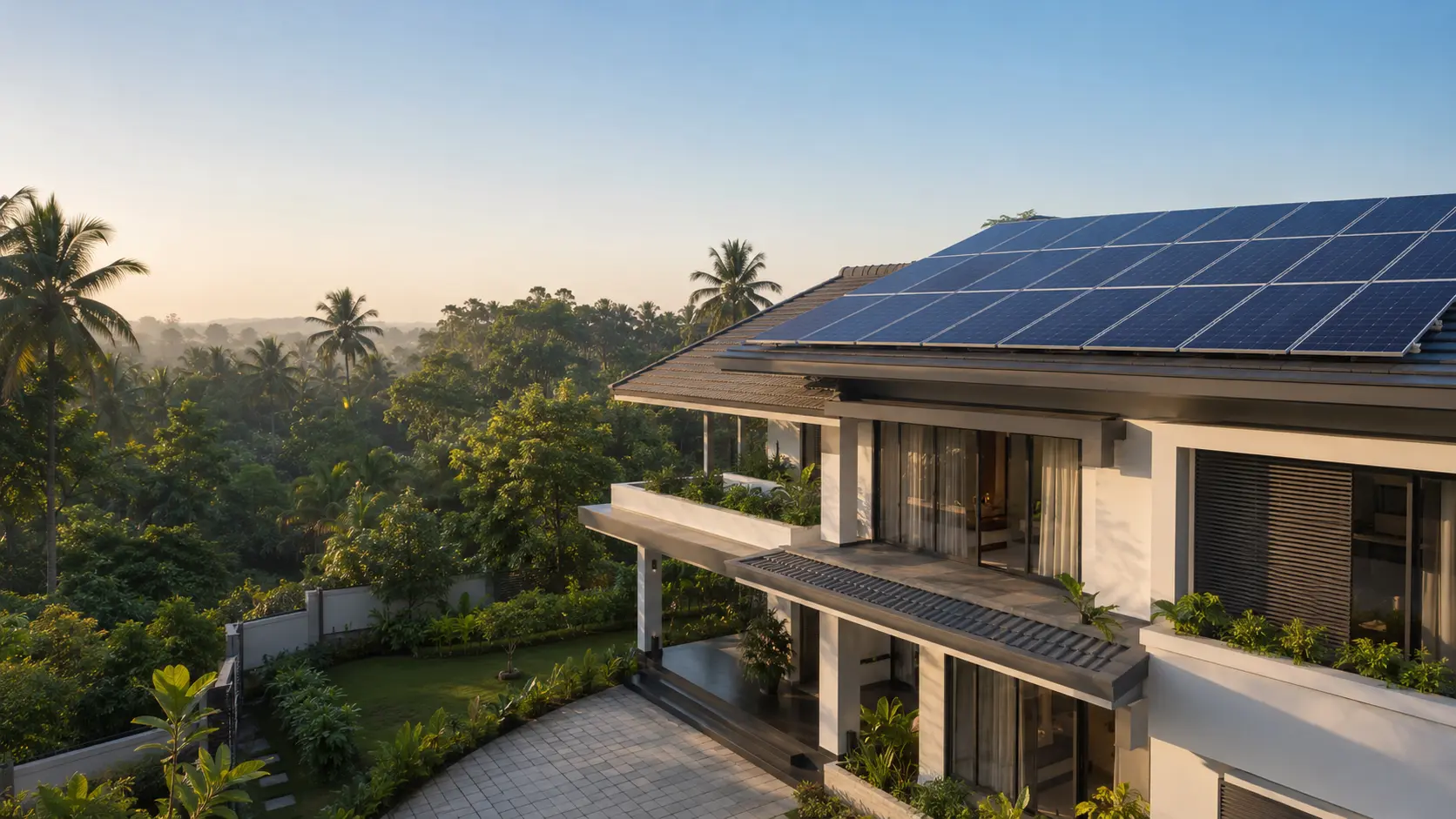
Solar for Homes and Businesses
The right solar system should use available sunlight well and allow safe access for service. B&B designs each system for the property instead of using one standard layout.
From survey to handover
Solar Installation: 7 Simple Steps
Energy review and site survey
The installer reviews your bills, measures usable roof space, checks shade and roof condition, and inspects the electrical system.
System design and generation estimate
Engineers choose the system size, panel layout, inverter, safety devices, and cables. The proposal should also show expected power generation.
Commercial proposal and approvals
You receive the work scope, product details, warranties, timeline, and payment terms. Grid-connected projects then follow the required utility approval process.
Mounting and module installation
The team installs the mounting structure and solar panels. They check alignment, wind safety, corrosion protection, and waterproofing.
Electrical work and safety systems
The team installs DC and AC cables, the inverter, isolators, surge protection, and earthing according to the approved design.
Testing and commissioning
Technicians test wiring, voltage, insulation, earthing, inverter settings, and power generation. Grid-connected systems are connected after the required approvals.
Monitoring and handover
You receive system documents, warranties, operating guidance, and monitoring access. This helps you track performance over time.
Indicative planning
How Much Solar Do You Need?
System size should be based on your electricity bills and site conditions. The figures below are planning estimates. Actual output can change with location, weather, roof direction, equipment, shade, and system losses.
| System size | Typical daily generation* | Indicative roof area* | Common application |
|---|---|---|---|
| 1 kW | About 4 units | 80–100 sq. ft. | Small residential load |
| 3 kW | About 12 units | 240–300 sq. ft. | Typical home |
| 5 kW | About 20 units | 400–500 sq. ft. | Larger home or small office |
| 10 kW | About 40 units | 800–1,000 sq. ft. | Office, institution or business |
| 50 kW | About 200 units | 4,000–5,000 sq. ft. | Commercial or industrial facility |
*Indicative only. A professional site-specific design and generation simulation are required before making an investment decision.
Understand the quotation
What Affects Solar Installation Cost?
Equipment and system type
Panel type, inverter size, batteries, safety devices, and monitoring features can affect the price.
Site and structure
Roof type, installation height, mounting structure, cable routes, waterproofing, and ground work can change the project cost.
Engineering and safety
A good quotation should include safe mounting, earthing, surge protection, quality cables, isolators, and proper testing.
Approvals and after-sales support
Documents, utility support, monitoring, warranties, and maintenance also affect the long-term value of the system.
For a project-specific estimate, review B&B’s solar installation cost guide and quotation options. Residential customers can also read the current solar panel subsidy guide. Eligibility, rates and procedures can change, so confirm the latest terms before purchase.
Installation quality matters
Solar Installation Quality Checklist
- Written design, bill of materials and performance estimate
- Documented module, inverter and workmanship warranties
- Corrosion-resistant structure engineered for site conditions
- Neat, supported and protected DC and AC cable routing
- Proper isolation, surge protection, labelling and earthing
- Commissioning report and monitoring demonstration
- Clear contact process for service and warranty support
Do not choose only by the lowest price. Compare the system design, safety equipment, expected output, exclusions, warranties, and after-sales support.
Protect long-term output
Solar Maintenance After Installation
Keep modules clear
Dust, leaves, and bird droppings can reduce solar output. Clean the panels when needed and follow safe cleaning instructions.
Watch generation trends
Use the inverter or monitoring app to check system output. Look for unusual drops over similar weather periods.
Schedule inspections
Qualified technicians should check cables, connectors, mounting structures, safety devices, and earthing. Untrained users should not open electrical boxes.
Residential and commercial solutions
Why work with B&B Green Energy?
Experience since 2012
B&B Green Energy designs and delivers solar solutions for homes, businesses and institutions.
4,000+ projects
A broad project track record supports practical engineering across different roof and load conditions.
50 MW solar portfolio
Experience spans rooftop and larger power systems, with support from design through commissioning.
Explore more about choosing a solar installer in Kerala, compare solar panels for homes, or learn about a larger solar power plant.
Start with a site-specific assessment
Ready to Install Solar?
Share your latest electricity bill and property details with B&B Green Energy. Our team can recommend a suitable solar system for your home or business.
Frequently asked questions
Solar installation FAQs
How long does a solar installation take?
A simple home solar installation may take a few days. The full project can take longer because of the survey, design, materials, approvals, inspection, and meter work.
How many solar panels do I need?
The number depends on your electricity use, panel wattage, shade-free roof area, and savings goal. A site survey and recent electricity bills help determine the right number.
Can solar panels power my property during a blackout?
A standard on-grid system switches off during a power cut for safety. Backup needs a suitable hybrid or off-grid system with batteries.
Does rooftop solar require net metering?
Net metering is relevant when an eligible grid-connected system exports surplus energy. Rules, capacity limits, approvals and billing methods vary by utility and can change. Read B&B’s KSEB net-metering guide and verify current requirements.
Will solar damage or leak through my roof?
A professional installer should check the roof before installation. The correct mounting and waterproofing method helps protect the roof.
How long do solar panels last?
Quality solar panels are designed to work for many years and often have long performance warranties. Inverters and batteries have different lifespans, so check each warranty.
What should I compare in solar quotations?
Compare system size, equipment, mounting, safety devices, expected output, warranties, approvals, exclusions, monitoring, and after-sales support. Do not compare price alone.