
Solar Power Plant in India
A clear guide to solar plant types, working process, components, costs, subsidies, installation and long-term benefits.
What Is a Solar Power Plant?
A solar power plant converts sunlight into electricity. It can power homes, businesses, institutions and industries.
- Reduces grid electricity use
- Supports long-term savings
- Uses clean renewable energy
- Can work with net metering or batteries
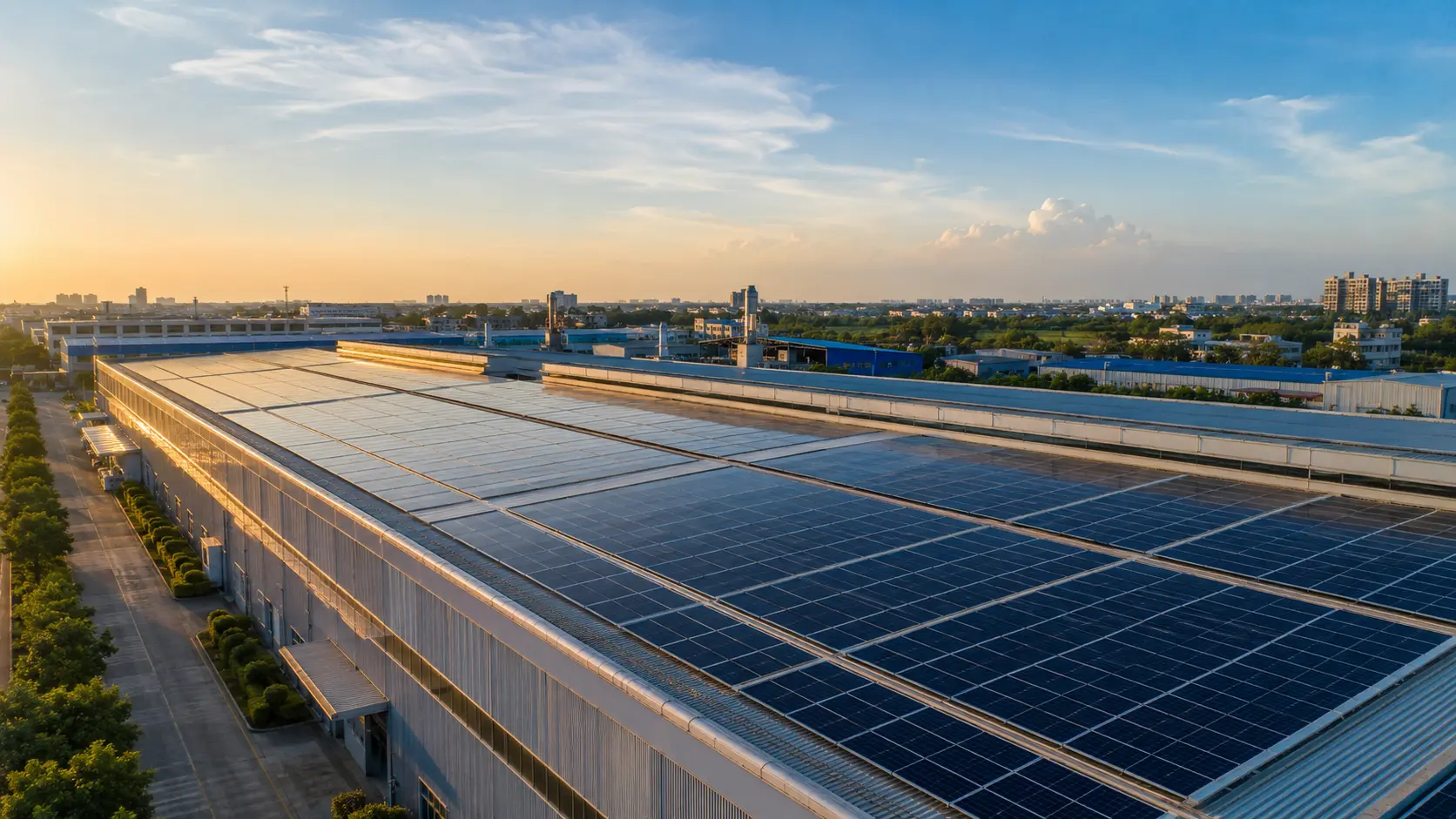
Types of Solar Power Plants
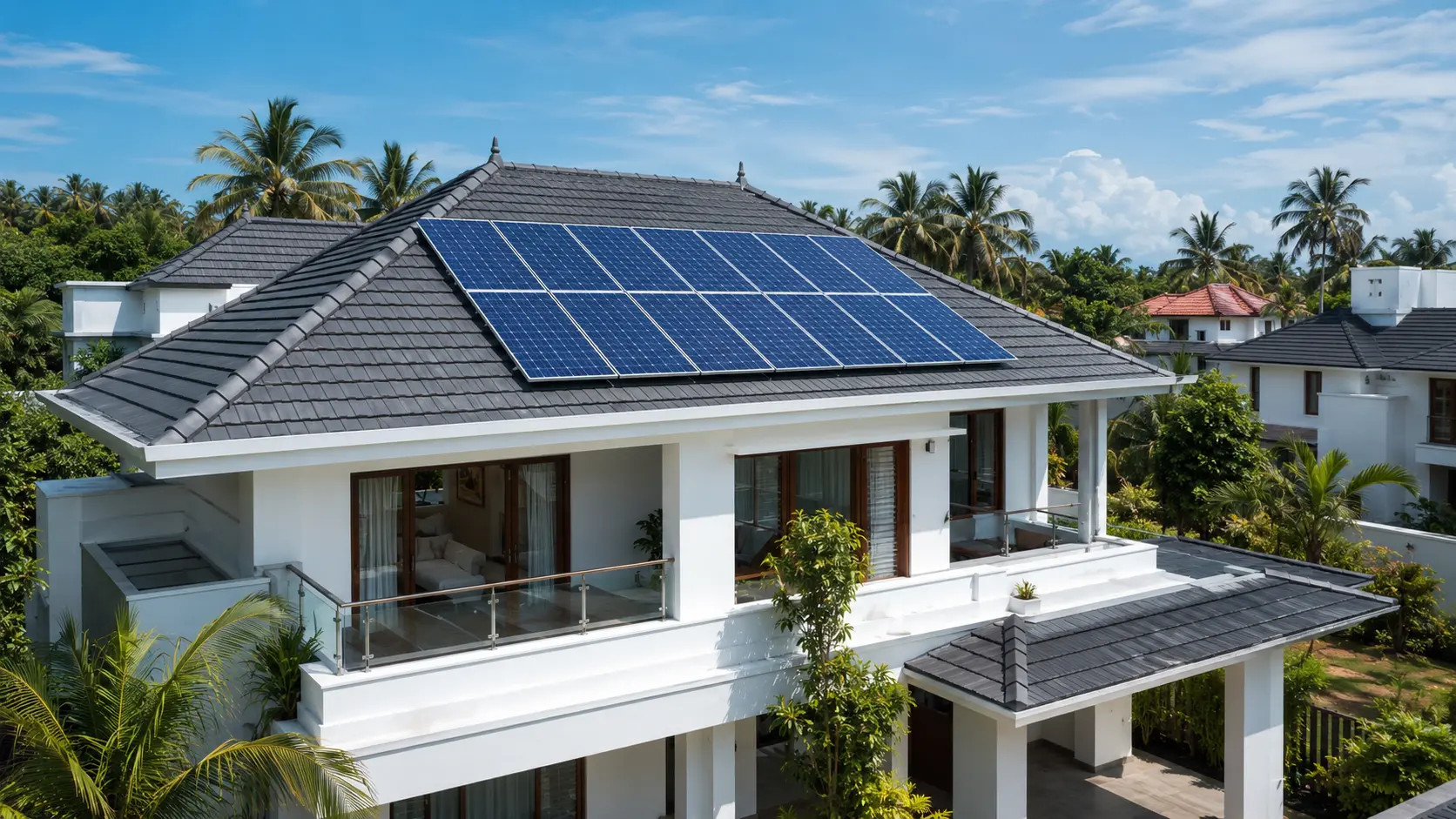
Rooftop Solar
Designed for houses, villas, apartments and small offices.
Commercial Solar
Built for offices, schools, hotels, hospitals and business facilities.
Industrial Solar
High-capacity systems for factories, warehouses and industrial loads.
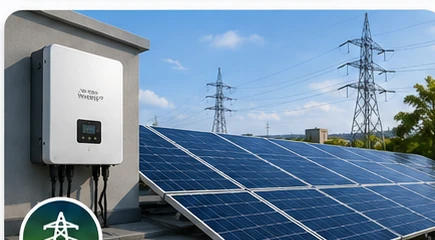
On-Grid / Utility Solar
Grid-connected systems that can export extra power where permitted.
How Does a Solar Power Plant Work?
Sunlight
Solar panels receive sunlight.
DC Power
Panels generate DC electricity.
Inverter
The inverter converts DC to AC.
Power Used
Your property uses solar power first.
Extra Power
Surplus can go to the grid or battery.
Main Components
- Solar panels
- Solar inverter
- Mounting structure
- DC and AC cables
- Safety devices
- Earthing system
- Net meter
- Monitoring system
Solar Power Plant Cost in India
| Plant Type | Capacity | Indicative Cost | Best For |
|---|---|---|---|
| Rooftop Solar | 1 kW | ₹55,000 – ₹75,000 | Small homes |
| Rooftop Solar | 3 kW | ₹1.5 – ₹1.9 lakh | Homes and villas |
| Commercial Solar | 10 kW | ₹4.5 – ₹6 lakh | Businesses |
| Industrial Solar | 100 kW | ₹40 – ₹55 lakh | Industries |
| Utility Scale | 1 MW | Project specific | Large projects |
Indicative planning figures only. Final prices vary by location, equipment, roof or land conditions, approvals and project scope.
Why Invest in Solar?
Lower Bills
Use more solar power and buy less electricity from the grid.
Clean Energy
Reduce dependence on conventional electricity generation.
Long-Term Value
Solar can provide energy savings for many years.
Easy Monitoring
Track generation and system status through online monitoring.

5 Steps to Install Solar
Ready to Build Your Solar Power Plant?
Get expert guidance for residential, commercial and industrial solar projects. Start with a site assessment and project-specific quotation.
Solar Power Plant FAQs
How much electricity does a 1 kW solar plant generate?
A common planning estimate is about 4 units per day. Actual output depends on location, weather, shade and system design.
How much roof space is required?
A 1 kW system often needs about 80–100 sq. ft. of usable shade-free roof space.
Which solar system is best?
On-grid suits bill savings. Hybrid suits customers who also need battery backup.
How long do solar panels last?
Quality solar panels are designed to work for decades and often carry long performance warranties.